
 DE
 ES
 RU
 FR
 ZH
 HI
 GR


NLP and Health
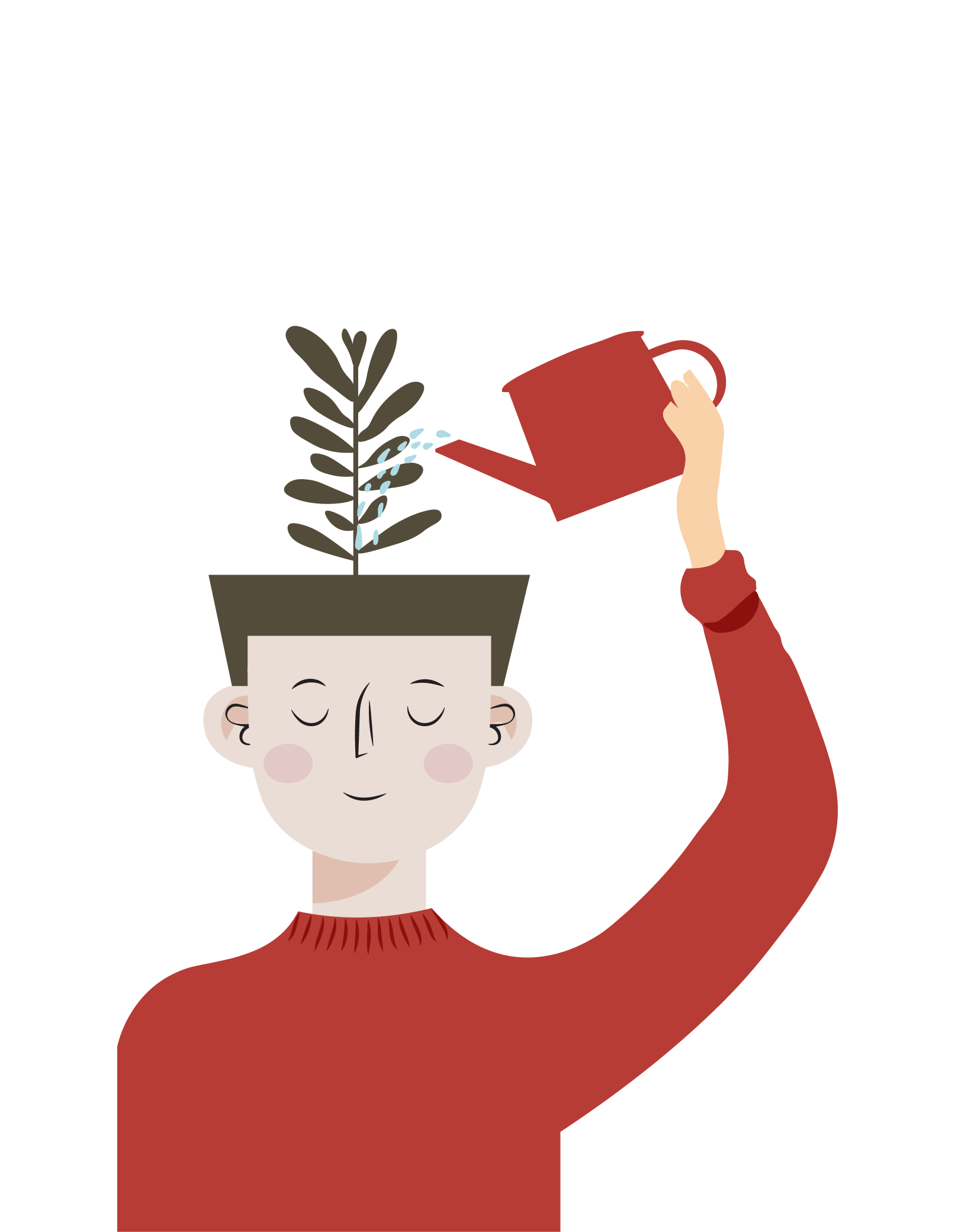
In this article, Prof. Dr. Gerhart Unterberger presents an expanded concept of salutogenesis that combines classic approaches with the principles of hormesis and mental training methods. He shows how dealing with challenges in a targeted way strengthens both body and mind, and what role NLP, value orientation, and emotion management play in all this. The practical tips are for anyone who wants to boost their health, resilience, and quality of life in the long run.
Personal health develops in the tension between the biological-physical world and the way a person perceives the world and reacts with their actions and emotions. This is shown in the following analysis and should be reflected not just in health promotion, but also in prevention or treatment of illness.
What does "salutogenesis" mean?
The term comes from medical sociologist Aaron Antonovsky. While pathogenesis asks, "What makes us sick?", salutogenesis focuses on the question, "What keeps us healthy?" At the center is the sense of coherence – the belief that life is understandable, manageable, and meaningful. Instead of looking for deficits, it's about resources, resilience, and meaning – things that help people stay steady even in tough times.
1. The classic salutogenesis concept by Antonovsky
According to Antonovsky (1987), the sense of coherence is "a global orientation that expresses the extent to which someone has a pervasive, enduring, yet dynamic feeling of confidence that, first, the demands from the inner and outer world of experience over the course of life are structured, predictable, and explainable, and that, second, the resources are available that are needed to meet these demands. And third, that these demands are challenges worthy of investment and commitment." I see "the sense of coherence" (SOC) as a complex belief, a basic attitude. You have a positive sense of coherence if you can say about your experience: "I can understand what I go through, I can handle it, and it has meaning and purpose." In my opinion, the sense of coherence describes a cognitive and emotional state that lets you react to challenges and crises flexibly and use all your resources properly – both mental resources and those of your body. It's not just about health, but mainly about protection from outside threats, maybe even about protecting your existence, which of course also benefits your health.
There's still one question left: The approach doesn't really give concrete guidance about how someone can get closer to this basic attitude. That's why we asked ourselves which mental elements (that you can train with NLP methods) definitely belong to this attitude. We came up with the following factors that help create, strengthen, and expand SOC:
Perception and thinking patterns like:
- A mostly outward-focused attention. A relatively consistent image of the world that you can base your actions on. Effective strategies for managing your actions.
- Positive beliefs about your self-image (self-confidence, autonomy) and self-efficacy, which open up options and freedom.
- Focusing on long-term, highly motivating goals, which may be fueled by strong personal values.
- High frustration tolerance and a mostly positive attitude.
- A wide range of behaviors for flexible actions.
Sense of coherence and physical health
A high level of self-confidence and self-efficacy definitely helps with mental health, and it has a positive effect on your emotional state, as shown in studies on SOC. T. D. Petzold cleverly (but sensibly) reinterpreted this trust in your own strength as trust in cooperation, and in doing so, linked his communication model to salutogenesis in Antonovsky's sense. There's a lot to suggest that with this or a similar attitude, you can stay able to act and react in a good mental and emotional state, even under extreme conditions. We might expect a moderating effect on chronic stress. But this attitude doesn't rule out chronic stress completely – there are limits to understanding and coping, too. A positive effect on psychological factors of physical health, like relevant values and beliefs, eating habits, smoking, exercise, or health knowledge, seems pretty random. If anything, there will only be a weak correlation between the sense of coherence and current physical health. In a study with older active people, there was no connection to their physical health level at all. So let's just assume for a moment that physical health is hardly promoted by classic salutogenesis in Antonovsky's sense.
But how do you get to a salutogenesis that really deserves the name?
It's only with further developments of classic salutogenesis that physical health comes back into focus. For example, in the quality criteria for salutogenetically oriented work (Ottomar Bahrs, Peter Matthiessen, Theodor D. Petzold), it's mentioned that a salutogenetic orientation means focusing on attractive health goals and finding or creating helpful resources. It seems to me that the body plays too small a role in these considerations too. If we're talking about health, the body can't be left out: How do the prerequisites for health arise in the body, and what part do psychological variables play? I want to analyze this using an important source of health resources as an example.
2. How do health resources and protective factors of the body automatically develop?
Thesis: All systems in the body need challenges to become and stay high-performing. If we look at the abilities of organs and body cells, we see the following: The body as a whole, the organs, and the body cells are in a better, healthier state when they've been exposed to a reasonable amount of physical, chemical, or biological stress. For example, this kind of stress is caused by: low-dose toxins, like the "healthy" vital substances that plants developed to defend against predators, or low-dose radioactive radiation, like in radon therapy in healing tunnels for rheumatic diseases like ankylosing spondylitis, or the stress that muscles experience from exertion to create a training effect.
Hormesis – Stress is healthy
Hormesis ("stimulation"): This theory explains the effects of poisons and "healthy" vitamins, radiation, or exercise, and also shows health, health resources, and self-healing from a new perspective. Remember Paracelsus? "The dose makes the poison." The basic idea: Resistance gets challenged. A stressor (like poison, radiation, etc.) in the right dose has a positive effect on an organism if it activates biochemical processes for detoxification, healing, disposal, and so on. This is especially effective when the activated processes not only protect against this attack, but also get rid of old damage too and also get the system ready for future attacks by expanding the room for adapting to this kind of stress (an adaptive stress response). So it's not the substance itself that changes depending on the dose. Poison stays poison, but in a certain dose (in the hormetic zone), the poison actually boosts health, expands health resources, and the ability to stay healthy. The "healthy" vital substances that plants developed to defend against predators activate the disposal of cell waste, getting rid of toxins at the same time (like allicin in garlic, sulforaphane in cabbage, or flavonols in blueberries). Low-dose radiation triggers better protection against radiation damage, new and interesting tasks trigger remodeling in the brain, and new (attacking) pathogens or vaccinations now and then expand immunity and the immune system's ability to respond.
With many stressors (poisons, etc.), there's not the expected linear relationship between dose and effect (like, a little poison causes a little effect, a lot causes a big effect). Instead, there's a dose range where the stress has positive effects. There's also no real difference between "healthy" substances and "poisons." Even "healthy" stuff follows this curve; for example, vitamin C is toxic at very high doses.
Example: Training effect in sports
Micro-injuries from sports (well known as sore muscles) stay micro-injuries. But if they're at a level that matches your current training state, they lead to better muscles and a better training state. That's because processes are activated that protect, dispose, heal, and expand the room for future stress of this type. This leads to more performance and more health, like more efficient detox and healing. In sports, that's called a training effect.
The (hormetic) processes need their time
If we stick with the sports example, under-challenging is really bad. Muscles that aren't challenged get weaker, and lots of abilities get worse if they're not used. But overdoing it or not recovering is also bad and makes the training effect worse. The processes that protect, dispose, heal, and expand the room for future stress of this type need their own specific and reasonable amount of time.
Conclusion: Many salutogenic abilities of an organism are maintained and optimized by hormetic processes. Every hormetic process optimizes its system's adaptation to a specific demand and helps the self-regulation and overall performance of the body. Hormetic processes provide protective factors/resources that are available when needed. A hormetic process works best under the following conditions: 1. Contact with specific stressors in the hormetic range, 2. the body provides the necessary resources for disposal, healing, etc. and 3. a recovery phase of reasonable length (like rest periods, training breaks, etc.)
3. The role of mental factors for the body's health resources
Thesis 1: Mental variables that limit contacts, resources, or recovery phases of many hormetic processes have a negative effect on health.
Examples of conditions that disrupt the development of salutogenic abilities: When emotional stress becomes chronic, it messes with the framework for hormetic processes: It leads to high resource consumption (“wear and tear on the body”), disrupts recovery (like in messed up sleep phases), and can also cause long-term damage by weakening your body’s defenses and encouraging risky habits (alcohol, drugs, nicotine, eating problems...). Unhelpful habits limit the occurrence of hormetic processes. Hormetic processes play a decisive role in most requirements for a healthy diet. Even the choice of foods can lead to minimal contact with "healthy" vital substances found in fruits or plants, for example. Your exercise habits can stop you from getting the kind of performance-boosting stress that comes from micro-injuries caused by things like sports training (“couch potato” style). Limiting beliefs (like “I can’t do that,” or “sports aren’t for me”) can also get in the way of developing or activating salutogenic abilities. So, these habits and limiting beliefs actually encourage illness and slow down healing. They’re top priorities for making a change.
Thesis 2: Mental variables have a positive effect on salutogenic abilities when they boost the occurrence of lots of hormetic processes, as long as those are compatible with long-term fitness.
Most hormetic processes do lead to abilities that protect your health, but not all of them. For example, hormetic processes in competitive sports that push you to extremes, or in alcohol users who develop tolerance, do protect the body a bit from damage or toxins. But if they don’t fit with long-term fitness, you really need to keep an eye on them and judge them critically.
The mental umbrella for the creation of health resources
Study results (including our own) show that the following elements and how they work together are super important for the body’s salutogenic abilities: Perception and thinking patterns like: Being able to notice mental processes and body sensations in detail. Low threshold for noticing mental and physical changes. Focusing on health, not just on illness. Goal and resource orientation, not just problem orientation. Managing emotions to break through blocks to salutogenic abilities caused by chronic emotional stress, and to get to a mostly positive mood (hope, joy, curiosity, and feeling alive). Positive beliefs about your self-image (self-confidence, autonomy) and self-efficacy, which open up options and freedom. Values related to health (“health,” “fitness,” “performance,” etc.) are among your top personal values. Your lifestyle supports both exciting, high-energy phases (with physical and mental challenges) and proper times for rest and recovery (regeneration). Your eating habits give you chances for hormetic processes. Salutogenic knowledge (like stress & recovery, nutrition, exercise, basic medical knowledge, healing support...)
In my opinion, focusing on health, being goal- and resource-oriented, and managing emotions to break down chronic stress are the core of salutogenic thinking. Add in positive beliefs and high health-related values, and you can develop habits that, through hormetic processes, lead to strong salutogenic abilities. These, in turn, give your body’s self-regulation more room to balance out negative influences. The “coherence” discussed in the salutogenesis community isn’t on this list. In my opinion, it’s not specifically salutogenic, but more of a classic evaluation strategy—just like others where ideas, inner images, sounds, or body feelings are compared to inner standards and judged by positive or negative emotions. Some examples: “A movement feels good and smooth,” or “The article feels coherent now, the flow is right.” “But the music sounds awful,” “That smells disgusting.”...
4. What keeps us healthy?
The attitude described by SOC is a super attractive mental and emotional state and a solid foundation for being able to act, respond flexibly, and use resources wisely. Protecting health isn’t the main goal or a proven effect of this attitude. My analysis takes the approach of starting with the body and its abilities, especially a key area of resource generation: Hormetic processes provide optimized abilities for self-regulation and the whole organism, creating vital salutogenic abilities that protect your current and future health and performance. Many of these processes happen automatically, but their effectiveness can be boosted by protective and organizing measures (“the umbrella”). If personal development focuses solely on the skills and beliefs of the SOC, I see risks to health. In the worst case, this development could lead to overload and chronic stress. On the other hand, it doesn’t make sense for someone to focus only on protecting health resources. That might make sense for a while if you’re healing from a serious illness. Otherwise, you might wonder: What’s the point of all this? Bigger goals and personal visions—maybe even related to the meaning of life—are more likely to succeed with the SOC attitude. That’s why I think combining these two attitudes is an attractive solution to this dilemma. This combo brings together conditions that can link career success with long-term fitness—if luck, other parts of your personality, and your environment play along. But keep in mind, the elements described already motivate different actions. It can be a real challenge to find solid, personal solutions for these inner conflicts on the way to a salutogenic attitude.
The salutogenic attitude
If we now add the elements of classic salutogenesis to the conditions of the health resources umbrella, we describe a pattern that combines this powerful state (as per SOC) with physical and mental conditions that set the stage for stable health. The mindset of a salutogenic attitude includes: Perception and thinking patterns like: A mostly outward-focused attention. A relatively consistent worldview that you can base your actions on. Effective strategies for guiding your actions. Detailed perception of mental processes and the body. Low threshold for noticing mental and physical changes. Health orientation. Goal and resource orientation. Emotion management. Positive beliefs about your self-image (self-confidence, autonomy) and your own effectiveness. A focus on long-term, powerful goals. High-ranking values related to health. Your lifestyle supports both exciting, high-energy phases (with physical and mental challenges) and proper times for rest and recovery (regeneration). Eating habits offer opportunities for hormetic processes. High frustration tolerance and a mostly positive mood. A wide range of behaviors for flexible actions. Salutogenic knowledge (like stress & recovery, nutrition, exercise, basic medical knowledge, healing support...).
No matter what your current health status is, the salutogenic abilities of the body are causally involved in this. Here, I’ve tried to figure out the bare minimum of learnable or trainable elements to describe a possible goal for personal development. You can also see this approach as a description of the logical framework and content for mental training towards a salutogenic attitude. What’s new here is the focus on hormetic processes; but from this approach, you can actually pinpoint the core of many health-promoting strategies in a surprisingly precise way—like when health is boosted through nutrition, exercise/sports, or meds in hormetic doses, etc. You can get concrete action steps for practice from this, which I’ve only touched on briefly and simply for sports here. These ideas can also give tips for illnesses and their treatment—like how to use your own salutogenic abilities. That ranges from therapy for chronic stress and anxiety (to remove self-healing blocks) all the way to mentally activating salutogenic abilities to support healing.
The ability to (self-)hypnotically activate or change reactions of the body and immune system gives us a first clue about what other options there are to consciously influence the (hormetically strengthened) self-regulation of the body. With caution and respect, you can support medical treatments and boost the chances of healing. For example, you can condition positive immune responses to get the immune system to react more strongly (in cancer cases) or much weaker (with allergies). Important interventions also include imagination (like an inner sound-feel-movie) of a healing process you've already experienced, which you want to reactivate, or working with placebos or mental placebos (like mentally taking a medication). These interventions can be set up as exercises or packaged in trances.
Conclusion:
These thoughts on hormesis provide something that salutogenesis has been missing so far: Namely, a concrete and far-reaching answer to the question: By what principles does health arise, and how can you promote it?
- Hormesis is an important basic principle in how health comes about, basically the core of salutogenesis. Without having to start from pathogenic ideas, it describes options for how salutogenic abilities develop, are maintained, and optimized. These abilities can also play a key role in both prevention and therapy of illnesses.
- The combination of SOC with the mental umbrella of hormetic processes leads to a mindset of trainable factors. This opens up access into how by using NLP methods, hypnotic and systemic approaches get closer to a salutogenic attitude and overcome obstacles along the way.
- This salutogenic attitude gives you, with a bit of luck, the physiological and mental foundation for an active, meaningful life.
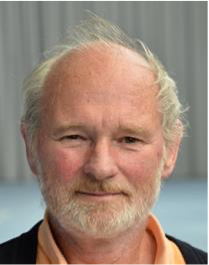
Dr. Gerhart Unterberger Prof. (retired)
He studied psychology and physics in Innsbruck, taught psychology, behavioral therapy, and counseling at the Faculty of Social Work and Health at HAWK Hildesheim/Holzminden/Göttingen, and developed and evaluated group therapies for chronic stress and illnesses like allergies, high blood pressure, and cancer. Together with Dr. Klaus Witt and Dr. Ingo Wilcke, he shares the results of their joint research and development work in further training courses. His main focuses are "salutogenic tools," health communication, and evaluated mental training programs for chronic illnesses and stress. Contact: Institute for Therapy and Counseling e. V. (IT), Kirchstr. 21, 31171 Nordstemmen. Director: Prof. Dr. Gerhart Unterberger. Info: www.hildesheimer-gesundheitstraining.de
Dr. Gerhart Unterberger ist eine österreichische NLP-Trainerin, IdeRealistin und Entwicklerin des id´ Kompass®.