

 DE
 ES
 RU
 FR
 ZH
 HI
 GR


Neuro-Coaching and Therapy with emotionSync
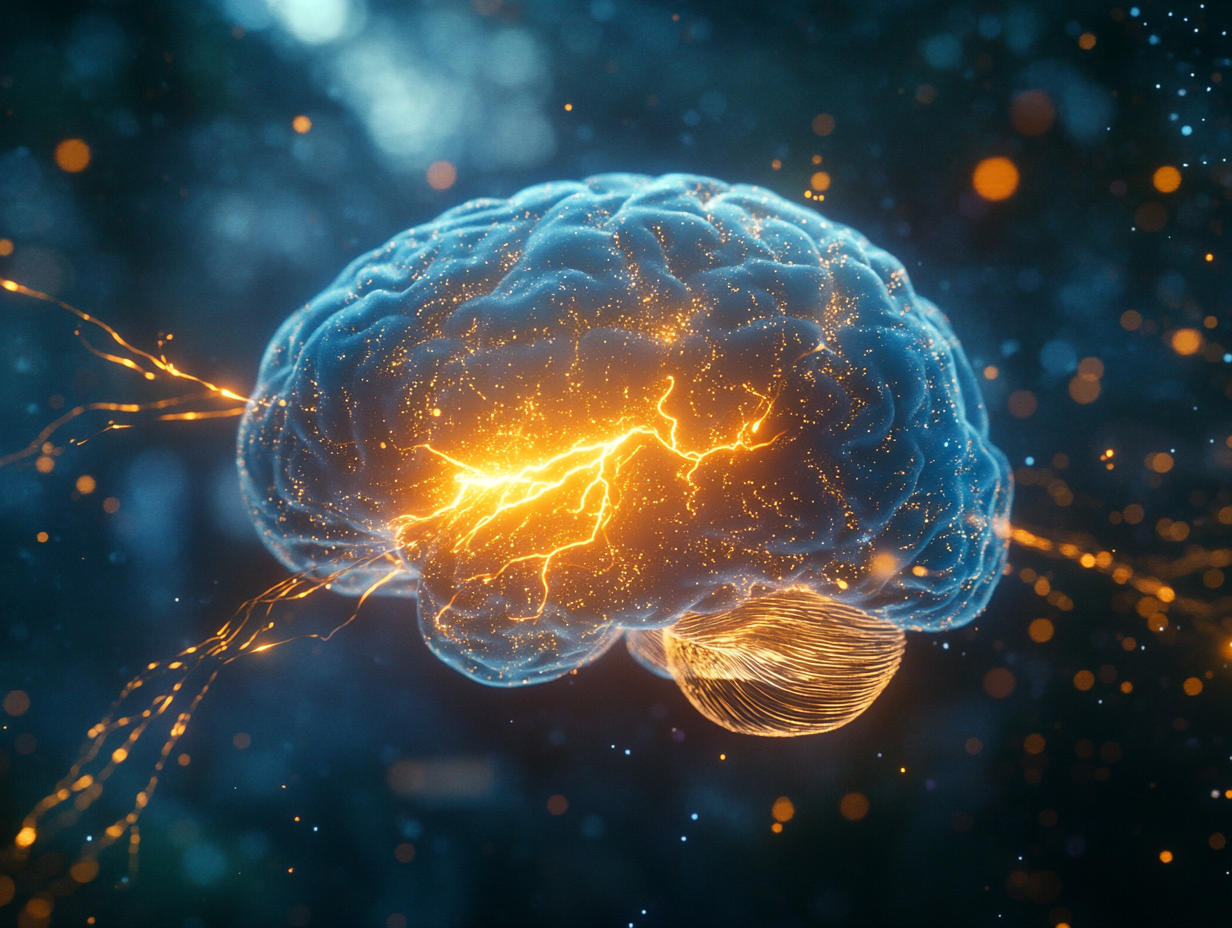
This article describes how emotionSync synchronizes emotional and cognitive processes in the brain. Through targeted stimuli and neuroplastic adaptation, old patterns are changed. The method uses neuroscientific and emotional techniques for a sustainable transformation of information processing.
I am a licensed alternative practitioner for psychotherapy and a graduate engineer in electrical engineering and computer science. This background inspired me to examine the brain and neuro-electrical data processing more closely. Information, trauma, and similar experiences are stored electrically in neurons, synapses, and the nervous system.
From this, my work emerged: “Neuroscience-Oriented Therapy of Dysfunctional Cognitions Through Overstimulation Using the emotionSync Method.” My professor always said, “Why should something take a long time if it can also be done quickly?” This inspired me to examine psychotherapeutic methods like EMDR and others for their actual effectiveness.
I noticed that the stimulus reaches the nervous system—but it is relatively weak. As an engineer, I understood that if you want to change a system, you need more energy than what holds the old system together. It’s like separating two magnets stuck together—you always need more force than the holding energy. The same principle applies to our energy potential in the synaptic field.
A trauma is stored with high energy potential. To erase it, a higher energy input is required—this is basic physics. Only when the trauma is triggered does the neuronal “fire” activate and send impulses to the glandular system, making the emotion physically felt.
In therapy, the client is briefly re-associated with the trauma. Then, through sensory channels like the eyes or ears, the neuronal stimulus is first conditioned and then accelerated so that the energy level continuously rises, finally being released with an expanded energy impulse. This process takes less than a minute. Through this neural overstimulation, the trauma’s energy field is erased.
This works at the deepest level of data processing in our brain. Electroconvulsive therapy, by contrast, is less targeted because it affects the brain generally, not the specific trauma. Depression usually involves repetitive negative beliefs such as “I am worthless,” which loop continuously and then trigger negative feelings.
General summary of emotionSync
Data processing in the brain through neuro-therapy or neuro-coaching using the emotionSync method is based on the idea that the brain processes not only cognitive information but also emotional states at the neuronal level, and that these two levels are closely interconnected. Neuro-therapy with emotionSync uses neuroscientific and emotional techniques to alter the way the brain processes information. By synchronizing emotional and cognitive processes, it can enable profound and lasting changes.
The following explains how this process works:
1. Neuroplasticity and emotional patterns
The brain is malleable due to neuroplasticity, meaning it continuously adapts to experiences, thoughts, and emotions by constantly reshaping neural connections. In neuro-coaching with emotionSync, the goal is to alter the neural patterns associated with negative emotions or limiting beliefs.
Processing:
- Negative emotional patterns are stored in specific neural networks in the brain.
- Neuro-coaching with emotionSync works to target and modify these networks to break old patterns and establish new, more positive networks.
- This often involves the strategic combination of physical, auditory, and visual stimuli that “re-train” the brain and create new emotional responses.
2. Emotions as catalysts for neural processing
Emotions have a particularly strong influence on how the brain processes information. Neuro-coaching with emotionSync uses emotions as a key to directly influence the brain and modify neural patterns.
Processing:
- When strong emotional stimuli occur, the brain reacts faster and more intensely, allowing deeper neural connections to be strengthened or altered.
- In neuro-coaching with emotionSync, techniques are applied to deliberately evoke emotional responses, placing the brain in a state where it processes and stores new information more efficiently.
- Emotions play a central role in the storage of memories and information. By addressing emotional blockages, neuro-coaching with emotionSync helps release old, disruptive patterns and establishes new pathways for information processing in the brain.
3. Synchronization of emotions and cognition
A central goal of neuro-coaching with emotionSync is the synchronization of emotional and cognitive processes. This means aligning emotional states and thought patterns to enable more efficient information processing in the brain.
Processing:
- In an unsynchronized state, emotional blockages can interfere with cognitive processing, for example, by disrupting memory functions or decision-making.
- Neuro-coaching with emotionSync techniques help dissolve these blockages and harmonize emotional and cognitive processes.
- This results in smoother and more efficient information processing, as emotional responses no longer act as obstacles but serve as supportive factors for cognitive functions.
4. Use of electrical and energetic approaches
Neuro-coaching with emotionSync also works with an electrical approach to influence neuronal processing. This is done through the targeted application of physical stimuli (e.g., accelerated tapping techniques, eye movements, or strong auditory stimuli), which alter and synchronize electrical activity in the brain.
Processing:
- The application of strong physical stimuli through the sensory channels generates electrical impulses that influence the brain’s neuronal activity.
- These impulses can “interrupt” old, blocking patterns in the brain and pave the way for new neuronal connections that better align with the desired emotional and cognitive states.
- This electrical reorganization of the brain accelerates information processing and helps harmonize emotional and mental patterns.
5. Integration of body and mind
A key component of neuro-coaching with the emotionSync method is the integration of body and mind. Targeted bodywork supports and accelerates emotional and neuronal processing in the brain.
Processing:
- Emotions manifest not only in the brain but also in the body. Certain physical exercises or movements can release emotional blockages that hinder neuronal processing.
- Working with the body directly affects neuronal activity and enhances the synchronization of emotional and cognitive processes.
- This bodily integration leads to a more comprehensive change in how the brain processes information, as emotional and physical states are brought into alignment.
Essence
Data processing in the brain with neuro-coaching and emotionSync works by specifically influencing neuronal and emotional processes. Emotions are used as a key to change the brain on a deeper level, while neuronal networks are restructured through targeted stimuli and techniques.
This process allows the brain to overcome old blockages and establish new, more positive thinking and behavioral patterns. The integration of body, mind, and emotions ensures a holistic and sustainable change in neuronal processing and supports fast and effective transformation. This method is scientifically validated and sustainable. It is arguably the fastest and most lasting way to resynchronize the brain.

Christian Hanisch ist Neuro-Coach, Master-Lehrtrainer und Entwickler von emotionSync®.