
 DE
 ES
 RU
 FR
 ZH
 HI
 GR


Animals as Resource Symbols in Imaginative NLP Work
In my series "Developing New NLP Formats," we last looked at how new NLP techniques can be systematically developed based on the structural model of change. I mentioned the dimensions of time, perspectives, and levels of change as possibilities for finding resources. The article thus provided a wonderful overview of the topics to be covered in the following issues, which will present individual aspects in a much more concrete and vivid way. Today, we will discuss how animals can be integrated into NLP work.
The animal world has always fascinated humans. Whether as real companions or as symbols in dreams, myths, and stories, animals represent ancient archetypes and deeply rooted emotional meanings. Let's first take a brief look at how real animals are incorporated into therapeutic work.
Live Animals in Coaching – Connection Through Presence and Mirroring
The use of live animals such as horses or dogs in coaching opens up a special space for experience that goes beyond verbal communication. Animals react directly to a person's charisma, body language, and inner attitude—without judgment, but with great sensitivity. When working with horses, for example, coachees experience how the animal reacts to uncertainty or inner confusion by retreating – just as it voluntarily approaches a present, authentic person. The horse thus becomes an immediate mirror of the inner state and helps to address issues such as leadership, personal responsibility, or emotional clarity on a physically tangible level.
Dogs often take on the role of a social catalyst in coaching. Their friendly, accepting nature makes it easier to address emotional issues, reduces fears, and creates an atmosphere of security and trust. They can facilitate closeness where verbal communication is lacking and help to release emotional blockages. Dogs are particularly supportive when it comes to issues such as self-esteem, relationship building, or emotion regulation—not through targeted interventions, but through their mere presence, their reactions, and the nonverbal feedback they provide at every moment.
Imaginative Work with Animals
In NLP, the mental image of animals can be used specifically to activate resources and establish new behavior patterns. This article is about how to systematically develop new NLP formats from this basic idea. We will not only look at psychological foundations and methodological approaches, but also present concrete format ideas, application contexts, and creative expansion possibilities.
1. The Symbolic Access to Inner Resources
Animals are ideal symbols for strengths, characteristics, or values. For example, an eagle stands for foresight, a lion for courage, and a turtle for boundaries and calmness. An imaginative encounter with an animal can activate unconscious resources, reveal new perspectives, or offer protection and guidance. Animals can appear spontaneously in the imagination or be specifically chosen to embody a certain quality. Symbolic work with animals has a long tradition: in shamanic cultures, so-called power animals are considered spiritual companions. In modern psychotherapy, animals appear in dreams, imaginations, or inner journeys. NLP can creatively draw on this powerful symbolism and translate it into effective coaching formats.
2. Forms of Animal Encounters in NLP Processes
There are various ways in which a client can encounter their inner animal. Some formats invite the client to enter a guided trance or imaginary journey in which the animal appears in a natural environment. The animal is not sought out, but encounters the client as if by itself. The encounter can be stimulated by sounds, movements, smells, or inner images.
Other formats work with conscious choice: the client chooses an animal that symbolizes a specific resource. This decision can be made intuitively or accompanied by targeted reflective questions. Mythological creatures such as dragons, birds of prey, phoenixes, or unicorns can also be integrated when dealing with particularly archetypal or spiritual themes. In addition, there can be an interplay between different animal images: the client is invited to imagine different animals to see which one appeals to them emotionally or which animal energy they identify with most.
This can be used to create creative resource maps that can be revisited in later processes.
3. Functions and Roles of Animals in Inner Experience
An animal can take on many roles in the imagination. Here are a few roles with examples:
- Mirror: Revealing hidden strengths The animal represents strengths that already exist but have not yet been consciously utilized.
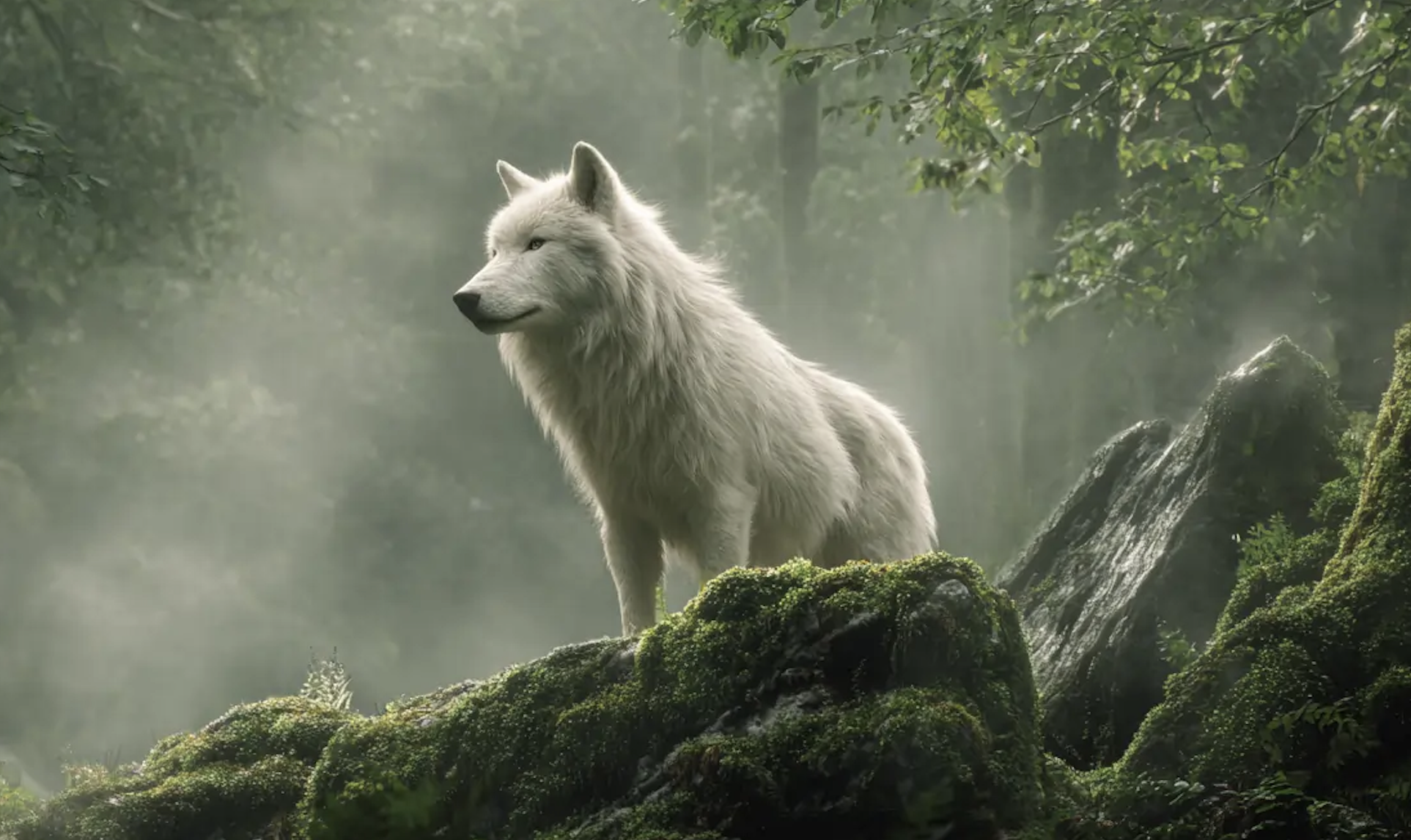
Example: A coachee who often feels insecure and overwhelmed encounters a wolf in an imagination exercise. He is surprised to notice that the wolf is calm, alert, and very present—exactly the qualities he possesses but has not yet recognized as strengths. Through this reflection, he realizes: "I am not helpless—I am attentive and intuitive."
- Teachers: Opening up new scope for action The animal reveals new perspectives or scope for action.
Example: A participant often feels blocked during periods of professional change. In a power animal journey, a hummingbird appears to her. The hummingbird says, "Lightness comes when you don't fight, but float." The client begins to rethink her previous strategies—and dares to experiment playfully instead of tensing up.
- Protective figure: Creating emotional security The animal supports the client, offering emotional security and stability.
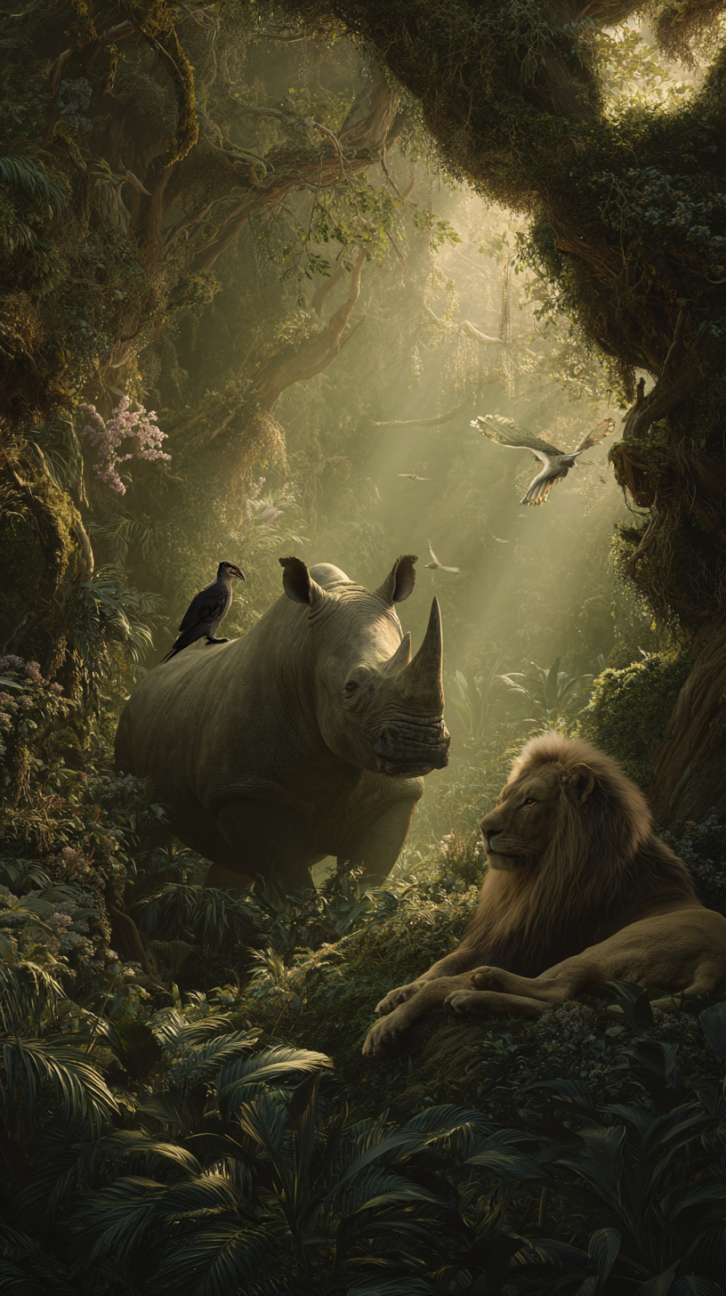
Example: A client with high inner tension experiences a large, calm rhinoceros standing protectively in front of him. Whenever he feels "attacked" in stressful situations, he calls on his rhinoceros internally. He feels: "I don't have to fight – I have an inner being that protects me."
Companion: A constant figure in longer development processes.
In longer processes, the animal can become a constant companion that grows with the child.
Example: During a year of coaching, a woman repeatedly encounters a raven—at first distant, later more familiar. Over the course of the months, the raven changes—it becomes larger, more lively, more courageous. She realizes: "He is my companion in change—he reflects my transformation."
Inner self-image: Merging with the animal as identity work.
In more in-depth formats, the animal becomes part of the self. It can merge with the client and thus directly influence posture, language, behavior, and self-perception.
Example: A man is working on his performance as a speaker. In his imagination, he becomes one with a panther—supple, confident, alert. He begins to identify with the panther's elegance and clarity: "I am the panther—I move with clarity, I speak with focus, I see without rushing." The fusion permanently changes his body language, his eye contact, and his inner attitude.
These roles can be strengthened through various techniques: embodiment (posture, facial expressions, gait), inner dialogues, symbolic anchors, or physical movement sequences. The goal is to integrate the energy and qualities of the animal into everyday life.
4. Animals as Companions in Famous Stories
To better understand the impact and depth of animal companions, it is worth taking a look at well-known stories from literature, mythology, and pop culture. They show us how animals—whether wolves, dragons, or owls—are not only plot elements, but often mirrors of inner development. These examples illustrate the symbolic power of animal figures and inspire us to consciously use them as resources in NLP work. Here are some well-known stories in which animals play a special role on the path to inner transformation. I'm sure you know at least a few of them.
Aslan in The Chronicles of Narnia
The lion Aslan accompanies the children on their journey through Narnia. He represents wisdom, courage, spiritual guidance – and often appears when a decision or change is imminent.
Hedwig in Harry Potter
Harry's snowy owl is more than just a pet—she is an ambassador, a silent witness, and a connection to the magical world. In crucial moments, she symbolizes independence and deep connection.
Fuchur in The Neverending Story
The luck dragon Fuchur accompanies Atreyu through a world in transition. He stands for trust, hope, and the strength to keep riding even in the darkest of times.
Abu in Aladdin
Aladdin's monkey represents loyalty, intuition, and wildness. He often reflects Aladdin's emotional state and acts when Aladdin is still hesitating.
Richard Parker in Life of Pi
At first, the tiger at Pi's side seems threatening – but in the struggle for survival, it becomes a mirror, a projection of both fear and strength. In the end, Pi realizes how much this animal companion has helped him to grow inwardly.
The fox in The Little Prince
Although not a companion in the traditional sense, the fox is a formative animal character: it teaches the prince the nature of relationships, closeness, and responsibility. His message, "One sees clearly only with the heart," resonates far beyond the scene.
Shadow wolves in Game of Thrones
At the beginning, each of the Stark children receives their own shadow wolf—an animal that accompanies them on their journey through life. These wolves are not just animals, but mirrors and amplifiers of inner strength:
- Arya's Nymeria stands for independence and wildness,
- Jon's Ghost stands for silence, loyalty, and otherness,
- Bran's Summer stands for intuition and connection to supernatural abilities
The wolves evolve alongside their human partners – they embody loyalty, identity, and protection.
Saphira in Eragon
In Christopher Paolini's fantasy series Eragon, Saphira, the dragon companion of the title hero, is far more than a mount. She is Eragon's mentor, emotional support, and magical-mental partner. Their bond is deeply telepathic – they learn, grow, and fight together. Saphira is a symbol of dignity, primal power, and wisdom – and evokes the archetypal image of the dragon as guardian of deep inner forces.
Animal Companions in The 13th Paladin
In this German fantasy series by Torsten Weitze, each paladin receives a mystical animal being that accompanies them through trials and transformative processes. The companions in The 13th Paladin are not mere sidekicks – they grow alongside the paladins, reflect their maturity, and actively participate in battles. They are soulmates – connected by a magical bond that also mirrors emotional growth and responsibility. A beautiful literary depiction of the "inner animal" as a powerful projection space.
These stories – whether from Westeros, Alagaësia, or Hogwarts – show how animals or animal like beings can become part of identity, a mirror of the self, and a catalyst for development. In NLP work, this very symbolic power can be consciously recognized and utilized:
- The animal is not beside you – it is a part of you.
- It grows stronger as you grow.
- It is wild, wise, protective – like your own potential.
5. Application Contexts – Activating Animal Powers Intentionally
Animals can be applied to a wide range of themes in imaginative NLP work – depending on the goal and stage of development, a different animal can embody the appropriate resource:
- Developing Courage – Lion: A young man who does not dare to speak up in meetings encounters a lion on an inner journey. The lion looks at him calmly and says, 'You are ready.' From that moment on, he feels a new inner stance – he begins to show himself, clearly and with greater self-respect.
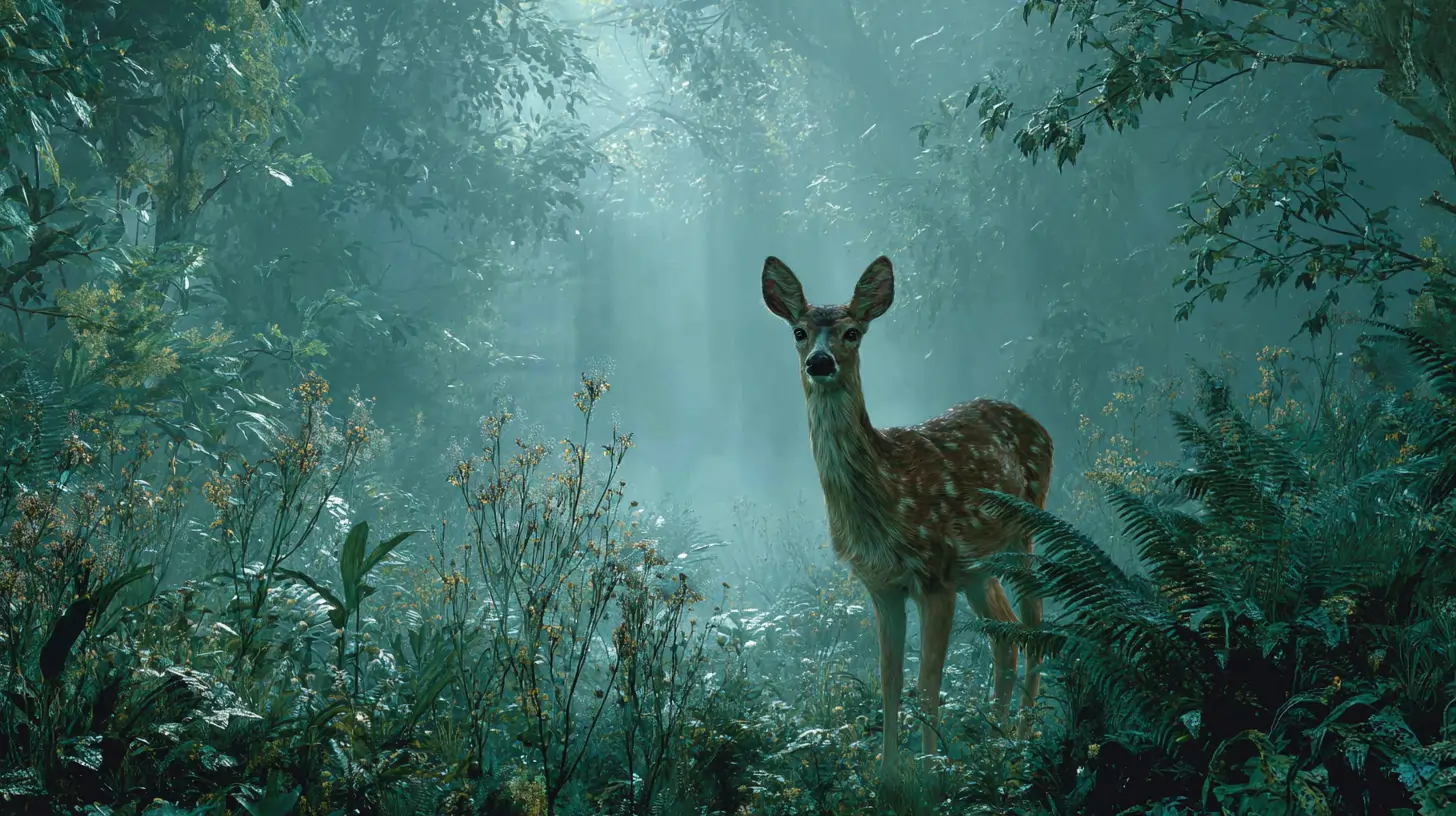
- Emotional Healing – Deer: A woman who is deeply hurt after a breakup encounters a deer in a visualization. It approaches cautiously, gently, timidly – but stays near her. The deer brings her the message: 'You may remain gentle. Your vulnerability is your strength.' It helps her develop compassion for herself.
- Taking New Paths – Snake: A client is facing a professional new beginning but doesn't know how to let go of the old. In his imagination, a snake emerges from an old, shed skin. The snake says, 'Trust your natural rhythm – you are shedding yourself right now.' He realizes that letting go is not weakness, but growth.
- Setting Boundaries and Activating Protection – Turtle: A participant feels that she constantly sacrifices herself for others. On a power animal journey, a turtle appears to her, slowly but steadily withdrawing. The message is: 'Withdraw when it becomes too much – and you will still remain fully yourself.' She begins to make clear decisions about her time and energy.
- Strengthening Self-Connection and Self-Leadership – Owl: A man often feels controlled by external circumstances in his daily life. In an imagination, he encounters an owl that looks at him calmly and says, 'Observe before you react.' The owl helps him perceive his inner world more consciously and act from this inner clarity.
- Developing Leadership Qualities – Eagle: An aspiring team leader sees an eagle in a vision, surveying the whole from great height. The eagle conveys to her: 'Lead by seeing – not by fighting.' With this image, she is able to view team conflicts from a new perspective and lead more clearly.
In group work, shared animal journeys can be conducted, where each participant encounters their own animal and reflects on their experience. Sharing about the animal encounter not only promotes integration but often also reveals exciting parallels and new ideas. For self-coaching, auditory or written processes can be designed, in which the client regularly connects with their animal, keeps a journal, or uses creative forms of expression such as painting or writing.
6. Methodical Design of New Formats
Those who wish to develop a new NLP format from these building blocks can follow the structure below:
- Introduction with Goal Definition and Resource Theme
- Imaginative Journey to Encounter an Animal
- Dialogue, Embodiment, or Merging with the Animal
- Integration through Symbolic Anchors (Gesture, Word, Visualization)
- Future Projection with the New Resource in Everyday Situations
- Conclusion, Thanks to the Animal, and if applicable, Farewell or Anchoring
Such formats can be individually adapted, expanded, or creatively combined with other NLP techniques. The use of multiple animals, changing animal companions depending on life areas, or the creation of an 'inner animal park' is also possible. One format could, for example, be called a 'Resource Safari,' guiding clients through various landscapes with corresponding animal energies. Other variations could focus on specific stages of development, such as 'Animal Hero's Journey' or 'Inner Archetype of Power Animals'.
Imaginative animal work can also be excellently combined with other NLP formats.
Example:
- Anchoring with Animals: A specific animal is associated with a classic anchor.
- Timeline with Animal Companion: The client moves through their life timeline accompanied by an animal.
- Meta-Mirror with Animal Perspective: The animal observes the client from a meta-level and offers advice.
Creative media can also be incorporated: drawing the animal, creating a power-animal altar, making animal cards, or writing an inner animal story.
7. Sample Format: 'Encounter with the Inner Power Animal' – A Format for Activating Resources
Goal: This format helps you access a specific inner resource – such as courage, clarity, calmness, or focus – and anchor it with the help of a symbolic animal, making it usable in everyday situations.
Step 1: Clarifying Context and Defining Goals
Coach's Questions:
- "What would you like to activate or strengthen today?"
- "In which situation would you like to have more of it?"
- "How would you feel if this ability were fully alive within you today?"
The desired resource is clearly defined both verbally and emotionally. Example: 'I want to remain calmer and more confident in conflicts.'
Step 2: Invitation to Imagination
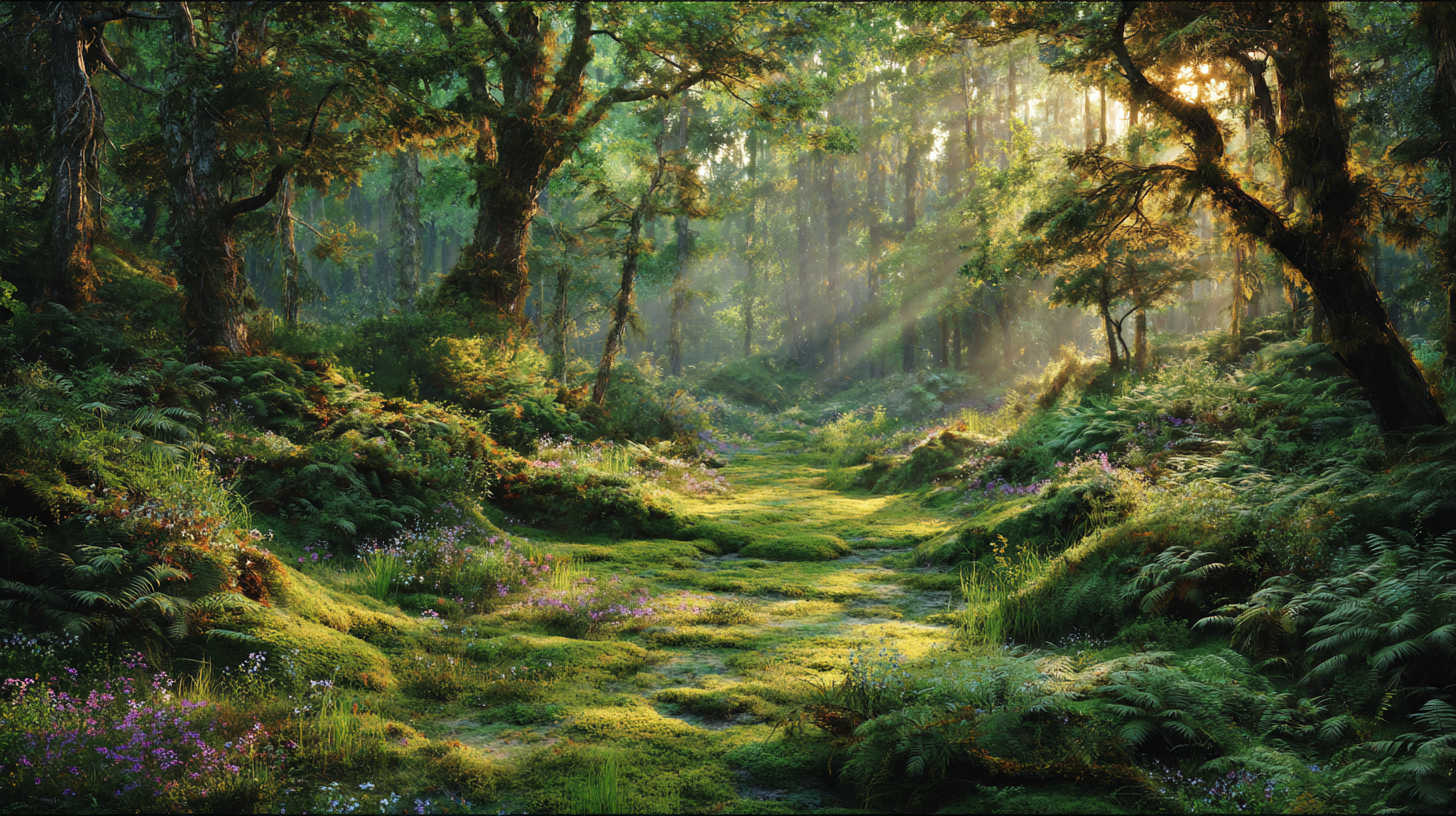
Instructions: "Please close your eyes and take a comfortable seat. Feel your connection to the ground. Take a few calm breaths in and out... Now imagine that you are going in your mind to a place in nature – perhaps a forest, a meadow, a mountain path, or a riverbank. This place feels safe and pleasant. Take your time to explore it..." (Space for silence and deepening) 'And now, while you remain in this place, an animal approaches you. It comes slowly or appears suddenly. This animal represents exactly the quality you wish to activate today... Observe it... What kind of animal is it? How does it move? What effect does it have on you?"
Step 3: Making Contact and Dialogue
Prompt: "Make contact with the animal. Ask it:
- "What would you like to show me?"
- "What strength do you bring me?"
- How can I call on or use you in everyday life?"
You can speak with the animal internally, sense an answer, or receive it intuitively. (Tip for blockages: 'If you had to guess – what kind of animal would it be? If you were to draw it – what would it look like?')
Step 4: Integration through Embodiment and Anchor
Coach asks:
- "How would your body move if you were in contact with this animal energy?"
- "How does this animal stand? How does it look?"
- "Now please take exactly this posture."
You imitate the posture, movement, or breathing of the animal. Then an anchor is set – for example, a gesture (fist, hand on heart), a sound, an inner image, or a small object.
Step 5: Application in a Future Situation
Instructions: 'Now imagine a specific future situation in which you will need this resource – for example, a conversation, a presentation, or a decision. Step into this scene in your mind and call your animal to you. Let it be with you or even speak and act through you.' You experience moving through the challenge with this inner power.
Step 6: Conclusion and Everyday Transfer
Coach's Questions:
- "What do you take away from this encounter?"
- "How will you be reminded of your animal in everyday life?"
- "Is there a symbol, an image, or a word that you want to take with you?"
Optional: You can draw your animal, give it a name, or write a short letter to your power animal.
Quick Guide: Encounter with the Inner Power Animal
- Clarify goal – Which resource do you need today?
- Find a place – Inner nature setting, safe & pleasant
- Meet the animal – Who appears? What does it radiate?
- Have a dialogue – What message does it bring?
- Embody & anchor – Posture, movement, symbol
- Test in an everyday scene – Use the animal's energy
- Conclusion – Give thanks & take a symbol with you
8. Trance-Text: Encounter with Your Inner Power Animal
(Speak this text calmly, slowly, and with many deliberate pauses. You can also adapt it individually if desired.)
1. Introduction – Arriving and Breathing
Now take a comfortable position... Gently close your eyes... And allow your body to relax more and more... With each breath, you let go of everyday life a little more... You breathe in... and out... And perhaps you already notice... how your breath becomes calmer... How your mind becomes clearer... And how you begin to allow yourself to go on a little inner journey... A journey to a place where you will meet a special companion... Your inner power animal..."
2. Building the Scenery – The Safe Place in Nature
Now imagine that you are walking to a place in nature... It is a place that exists just for you... Perhaps you see a forest, an open field, a meadow, a mountain path, or a beach... Whatever arises before your inner eye... it is exactly right as it is... You feel the ground beneath your feet... Perhaps you hear the sounds of nature... Maybe birds are singing... or the wind is gently moving the leaves... You continue walking... at your own pace... And you feel how this place gives you peace... safety... And a gentle openness for what is about to happen...
3. The Encounter – The Animal Appears
And as you remain in this place... you notice that something is changing... You sense a presence... a movement... An animal is coming toward you... or you suddenly realize it is already there... Simply allow it to happen... Your power animal shows itself exactly in the way that is right for you now... Take your time to observe the animal... What kind of animal is it? Large or small? Wild or gentle? Fast or calm? How does it move? How does its energy feel? What quality does it bring with it? Perhaps you feel courage... or clarity... or a deep trust... Perhaps wisdom... lightness... or a quiet strength...
4. Making Contact – Communication
You can now inwardly connect with this animal... Perhaps you would like to ask it a question... What do you want to show me? What can I learn from you? How can you support me? And as you listen... it may be that an answer comes... A word... a picture... a feeling... Or simply a quiet knowing... Let it take effect... Let it arrive within you...
5. Integration – Feeling the Connection
Now feel yourself drawing closer to the animal... Perhaps you touch it... or you simply stand together... Perhaps you even become one with this animal... Its strength flows into your body... You breathe in its energy... And with each breath, you feel more of this resource within you... More of what you need right now... Perhaps you would like to give this power a gesture... Something that will later remind you of this in everyday life... An inner image... A symbol... A word... Or a movement...
6. Farewell – Return
And then it is time to slowly say goodbye... Perhaps you thank your animal... Or simply feel the connection that remains... Because you can return here at any time... Your animal is there... whenever you need it... You slowly walk back through the place in nature... With each step, you return a little more to the here and now... You take the energy of your power animal with you... Breathe in deeply once more... and out... And when you are ready... Gently open your eyes... And be fully awake again... Fully present... And ready to move forward with new strength...
Summary
Imaginative work with animals offers a wide and powerful field for the development of new NLP formats. It combines archetypal symbolism with deep emotional experience and can be flexibly adapted to a wide range of coaching and training topics. Those who engage with this field discover not only new ways of resource activation but also a fascinating inner world full of animal companions and inspiring impulses. The combination of inner imagery, physical experience, and creative symbolic work makes these formats especially effective – both in individual sessions and in groups, seminars, or self-coaching.

Stephan Landsiedel is a diploma psychologist and NLP trainer.