

 DE
 ES
 RU
 FR
 ZH
 HI
 GR


The History of Hypnosis:
From Ancient Rituals to Modern Principles

What today works as modern hypnotherapy has its roots in millennia-old rituals and groundbreaking discoveries. In his article, Marian Zefferer takes us on a fascinating journey through the history of hypnosis – from the healing rituals of antiquity, through Mesmer, Freud, and Erickson, to the 8 hypnotic principles that redefine hypnosis as an everyday communication phenomenon. An exciting journey through time – and an invitation to consciously harness the power of hypnosis.
Imagine you're sitting in a cozy café, and suddenly you notice the conversations around you fading away. Time seems to stand still. You are completely absorbed in your thoughts – in a kind of everyday trance. That's exactly what hypnosis is: a natural state of focused attention that we all experience daily. But how did this everyday phenomenon become a science that today fascinates and heals people around the world?
The Journey Through Time of Hypnosis: From Its Beginnings to Today
The history of hypnosis is like a fascinating novel spanning thousands of years. Even in the ancient high cultures of the Sumerians, Egyptians, and Greeks, priests and healers used trance-like states for healing rituals. In the temples of Asclepius, priests practiced ritualized sleep (Enkoimesis) for healing – an early precursor to suggestive healing methods.
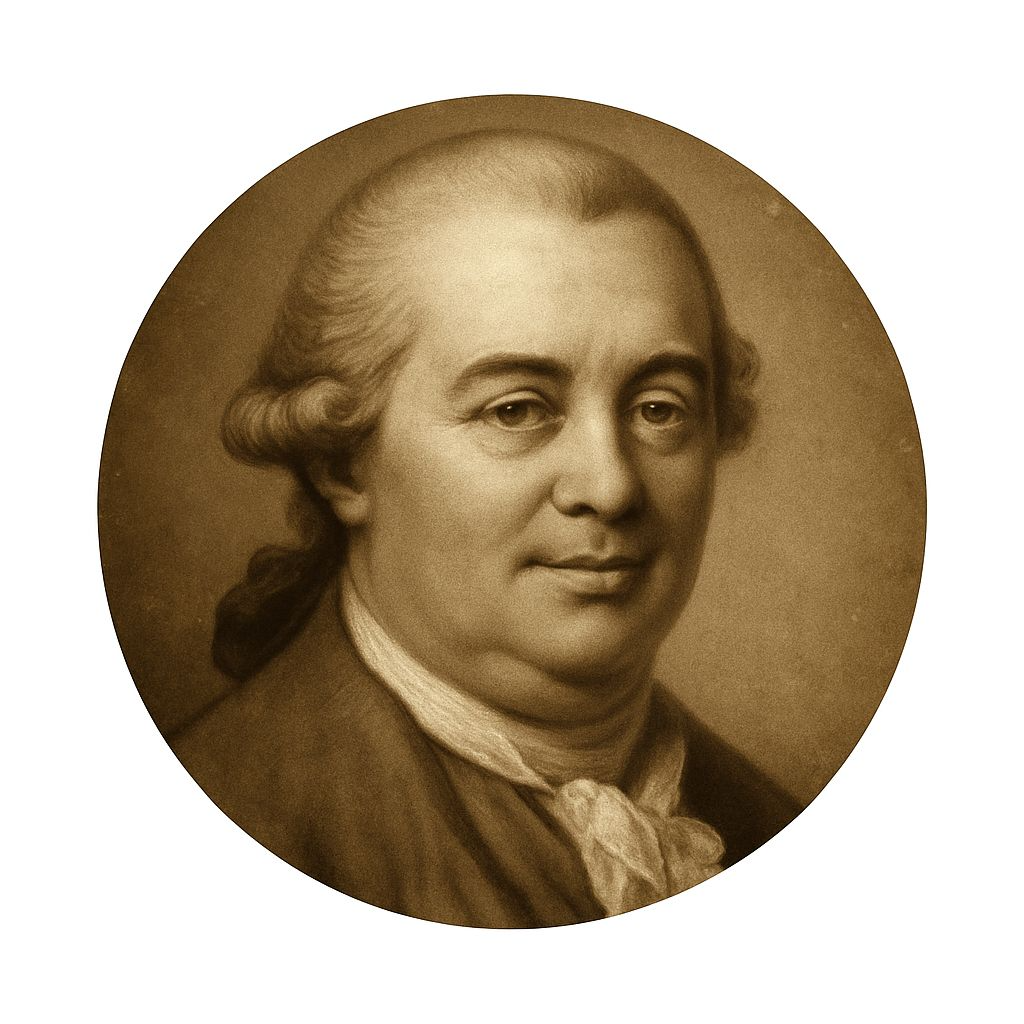
Franz Anton Mesmer
(1734-1815)
In the 18th century, Franz Anton Mesmer (1734–1815) revolutionized the understanding of trance with his concept of "animal magnetism." He believed in an invisible force that flows between people – a theory that has since been disproven, but which laid the foundation for modern hypnosis.
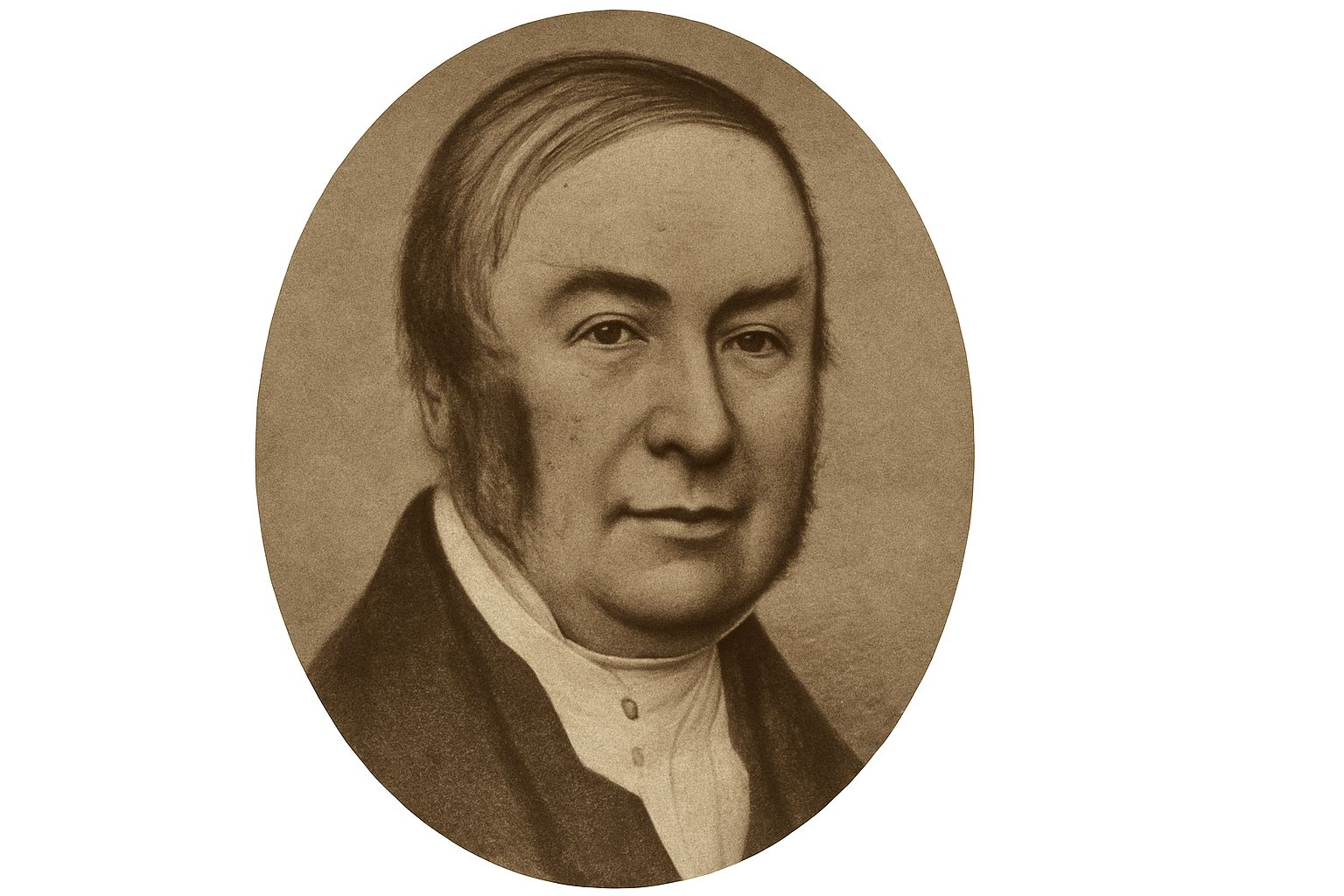
(1795-1860)
James Braid (1795–1860) finally coined the term "hypnosis" in 1843 (from the Greek "hypnos" = sleep) and established the scientific study of the phenomenon. He recognized that it was not sleep, but a state of focused attention.
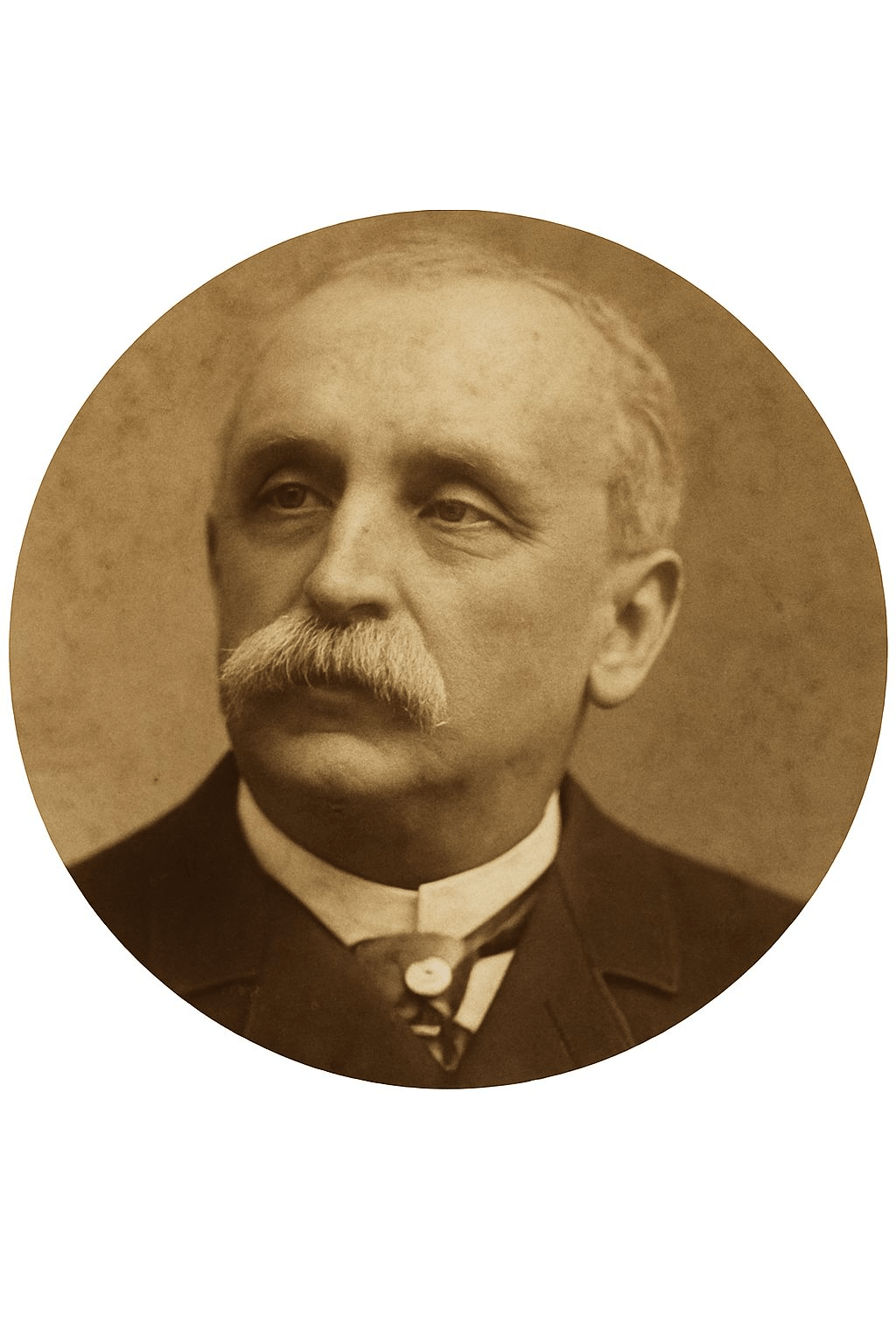
(1840-1919)
The Nancy School, led by Hippolyte Bernheim (1840–1919), and the Paris School under Jean-Martin Charcot (1825–1893) shaped two competing approaches at the end of the 19th century. While Charcot viewed hypnosis as a pathological phenomenon associated with hysteria, Bernheim understood it as a normal psychological process.
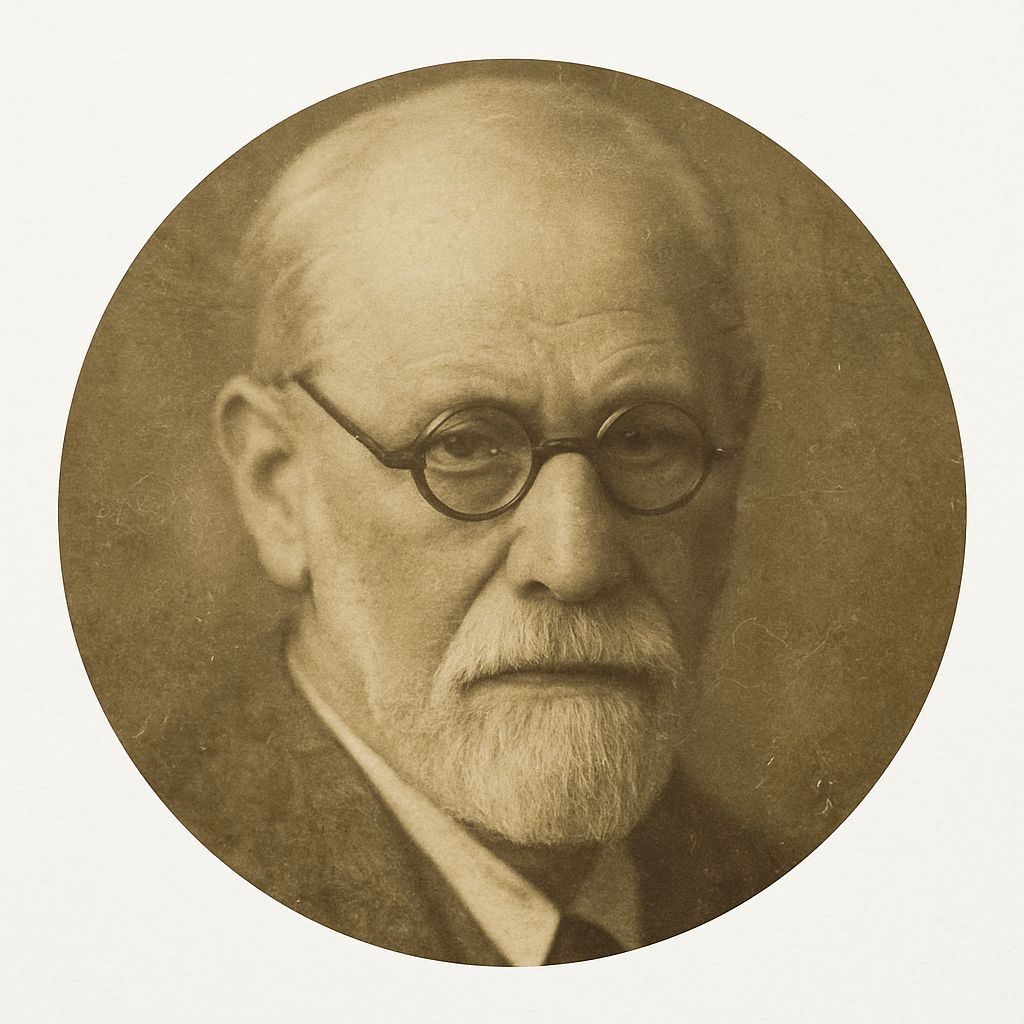
(1856-1939)
Sigmund Freud (1856–1939) studied at both schools and initially used hypnosis in his practice, but later turned to free association. Nevertheless, his work contributed to the recognition of unconscious processes.
(1884-1952)
In the 20th century, Clark Hull (1884–1952) with his behaviorist approach and Dave Elman (1900–1967) with his rapid induction techniques further developed hypnosis.
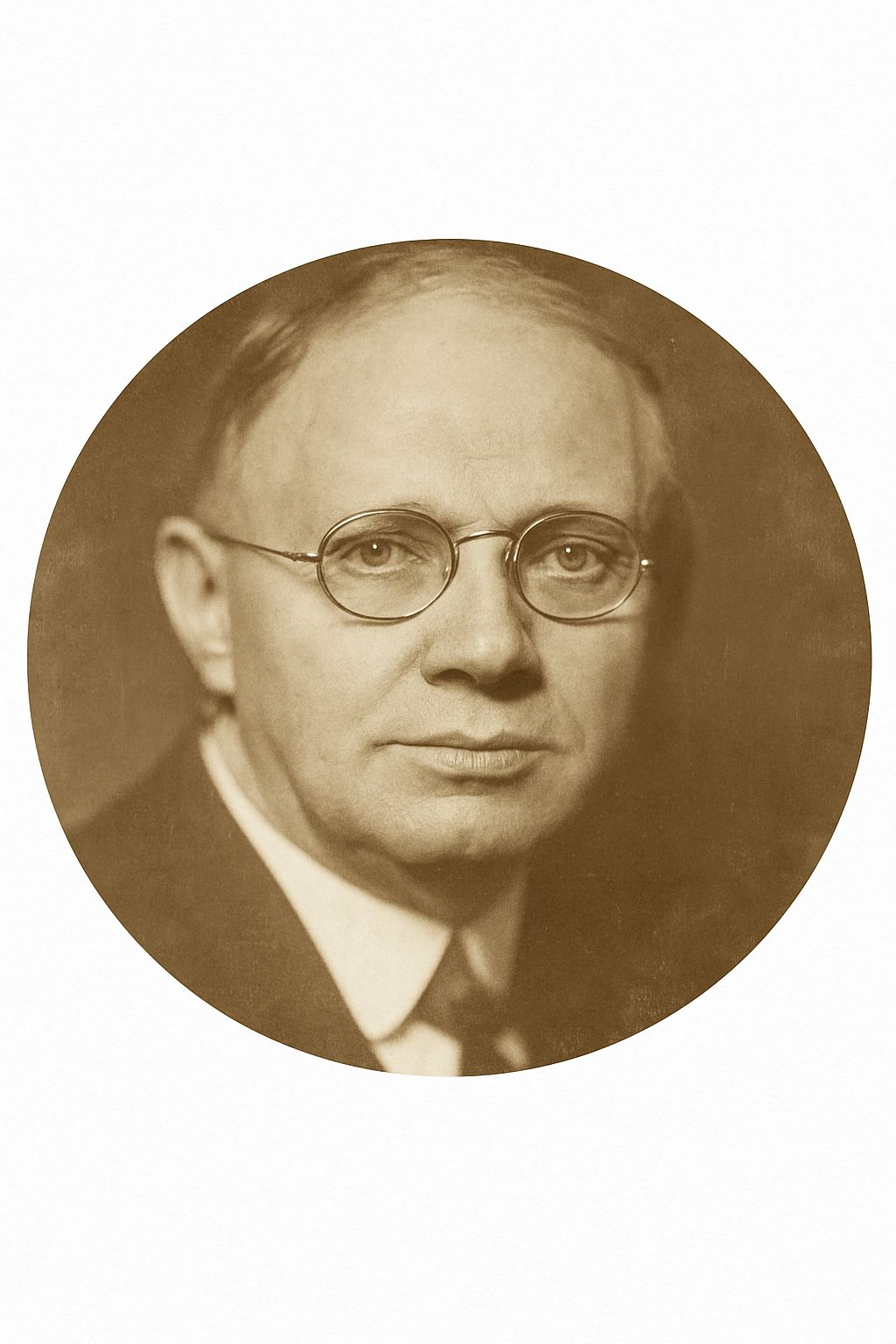
(1901-1980)
However, the greatest paradigm shift was brought about by Milton H. Erickson (1901–1980), who founded modern hypnotherapy.
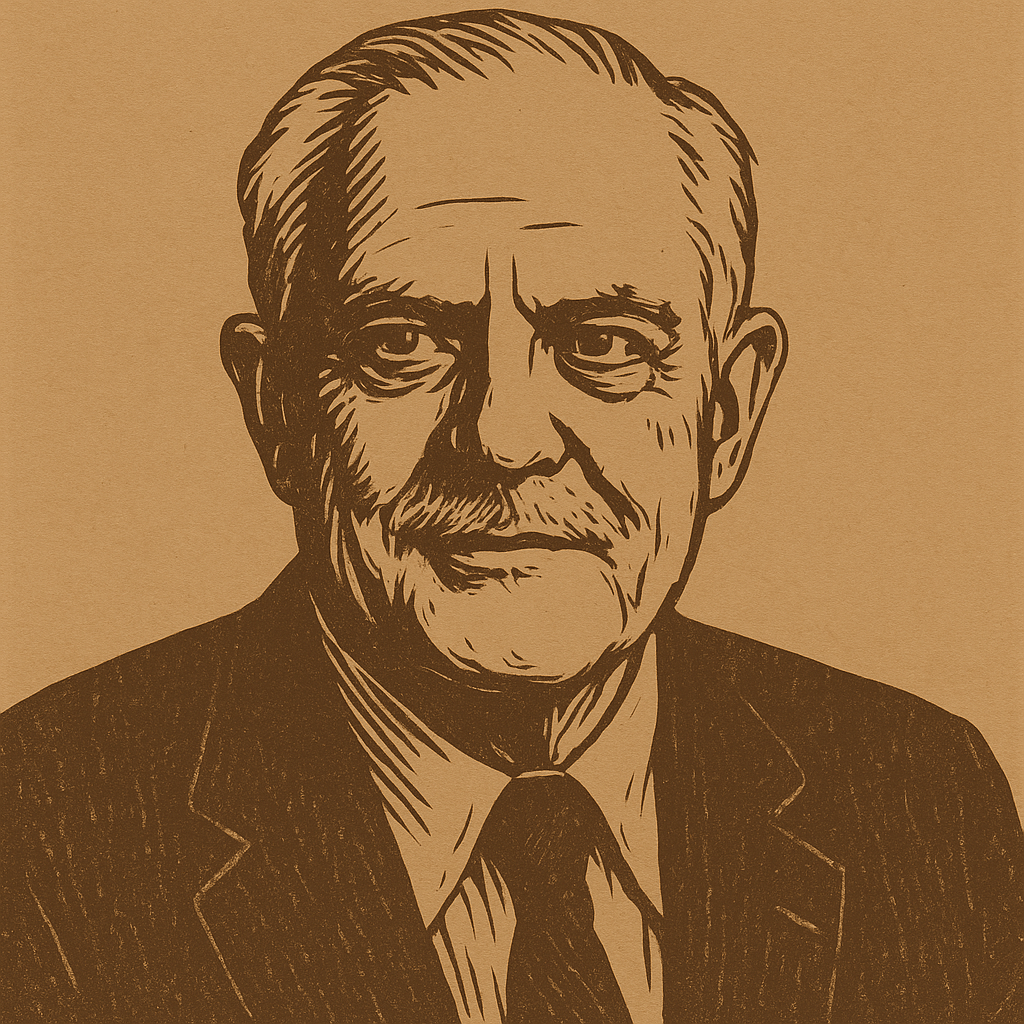
(*1956)
Gunther Schmidt (*1956) finally introduced the hypnosystemic approach, which combines hypnosis with systemic therapy. And in 2024, Marian Zefferer developed his 8 hypnotic principles, which understand hypnosis as an everyday communication phenomenon.
James Braid: The Father of Scientific Hypnosis
"Hypnosis is not sleep, but a state of concentrated attention on a dominant idea."
James Braid was a Scottish surgeon who brought hypnosis out of the realm of the occult and into science. When he attended a demonstration by the mesmerist Charles Lafontaine in 1841, he was initially skeptical. However, his scientific curiosity drove him to investigate the phenomenon himself.
Braid discovered that fixating the eyes on a shiny object led to a trance-like state. He initially called this state "neurohypnotism" (nerve sleep), but soon realized that it was not actually sleep. His revolutionary insight: hypnosis is a natural state of focused attention that can be enhanced through suggestion.
In doing so, he laid the foundation for the modern understanding of hypnosis as a psychological phenomenon.
Hippolyte Bernheim: Hypnosis as Suggestion
"Hypnosis is heightened suggestibility – a normal psychological process that can occur in any person."
Bernheim, a professor of medicine in Nancy, revolutionized the understanding of hypnosis through his theory of suggestion. He strongly opposed Charcot's view that hypnosis was only possible in hysterics. For Bernheim, hypnosis was an everyday phenomenon – every person is suggestible to some degree.
His work at the Nancy clinic showed that about 85% of all people are hypnotizable. He used simple verbal suggestions without theatrical gestures, demonstrating that the power of hypnosis lies in the words and the relationship between the hypnotist and the client. This insight continues to shape our understanding of therapeutic communication today.
Charcot & Sigmund Freud: The Bridge to the Unconscious
"Hypnosis opens the gate to the unconscious and reveals the power of repressed memories."
Jean-Martin Charcot, the "Napoleon of Neuroses," headed the famous Salpêtrière Clinic in Paris. He viewed hypnosis as a pathological phenomenon that occurs only in cases of hysteria. His spectacular public demonstrations made hypnosis socially acceptable, even though his theories were later disproven.
Sigmund Freud, who studied under Charcot and later Bernheim, initially used hypnosis to treat hysterical symptoms. His famous patient Anna O. was treated through hypnotic regression. However, Freud recognized the limitations: not all patients were equally susceptible to hypnosis, and symptoms often returned.
These experiences led him to develop psychoanalysis. Although he eventually moved away from hypnosis, his insight remained central: the unconscious significantly influences our behavior – a realization that modern hypnotherapists continue to use today.
Milton H. Erickson: The Revolution of Modern Hypnosis
"Every person is unique. Adapt the therapy to the person, not the person to the therapy."
Milton H. Erickson is considered the most influential hypnotherapist of the 20th century. Confined to a wheelchair due to polio, he developed an extraordinary ability to observe nonverbal communication. His work revolutionized hypnosis in multiple ways: He developed indirect hypnosis – instead of giving direct commands, he used metaphors, stories, and ambiguous suggestions. His belief: the client's unconscious mind knows best what it needs for healing. The therapist merely provides the framework.
Erickson's utilization principle – making use of everything available for therapy – became legendary. He could turn any resistance into a resource. A client who claimed to be unhypnotizable? Erickson would say: "Wonderful, then you can stay fully awake while your unconscious mind works."
His work inspired the development of Neuro-Linguistic Programming (NLP) and continues to shape modern hypnotherapy today.
Gunther Schmidt: The Hypnosystemic Approach
"Problems are attempts at solutions in a specific context. Change the context, and you change the solution."
Gunther Schmidt, a student of Erickson and founder of the hypnosystemic approach, combines hypnotherapy with systemic thinking. His revolutionary approach: symptoms are not defects, but competent attempts by the organism to solve a problem within a specific context.
An example from his practice illustrates this perfectly: a patient wanted to be hypnotized. Schmidt asked about his expectations. The patient replied, "You have to put me into trance, then I'll be powerless and you can solve my problem." Schmidt responded, "Interesting! My understanding is different. In hypnosis, you will actually have more control than usual. You decide what to accept and what not."
This context change is central to the hypnosystemic approach. Schmidt demonstrates that we are not victims of our problems, but co-creators of our solutions. Hypnosis becomes a cooperative process in which client and therapist jointly open up new possibilities.
The 8 Hypnotic Principles: Modern Developments
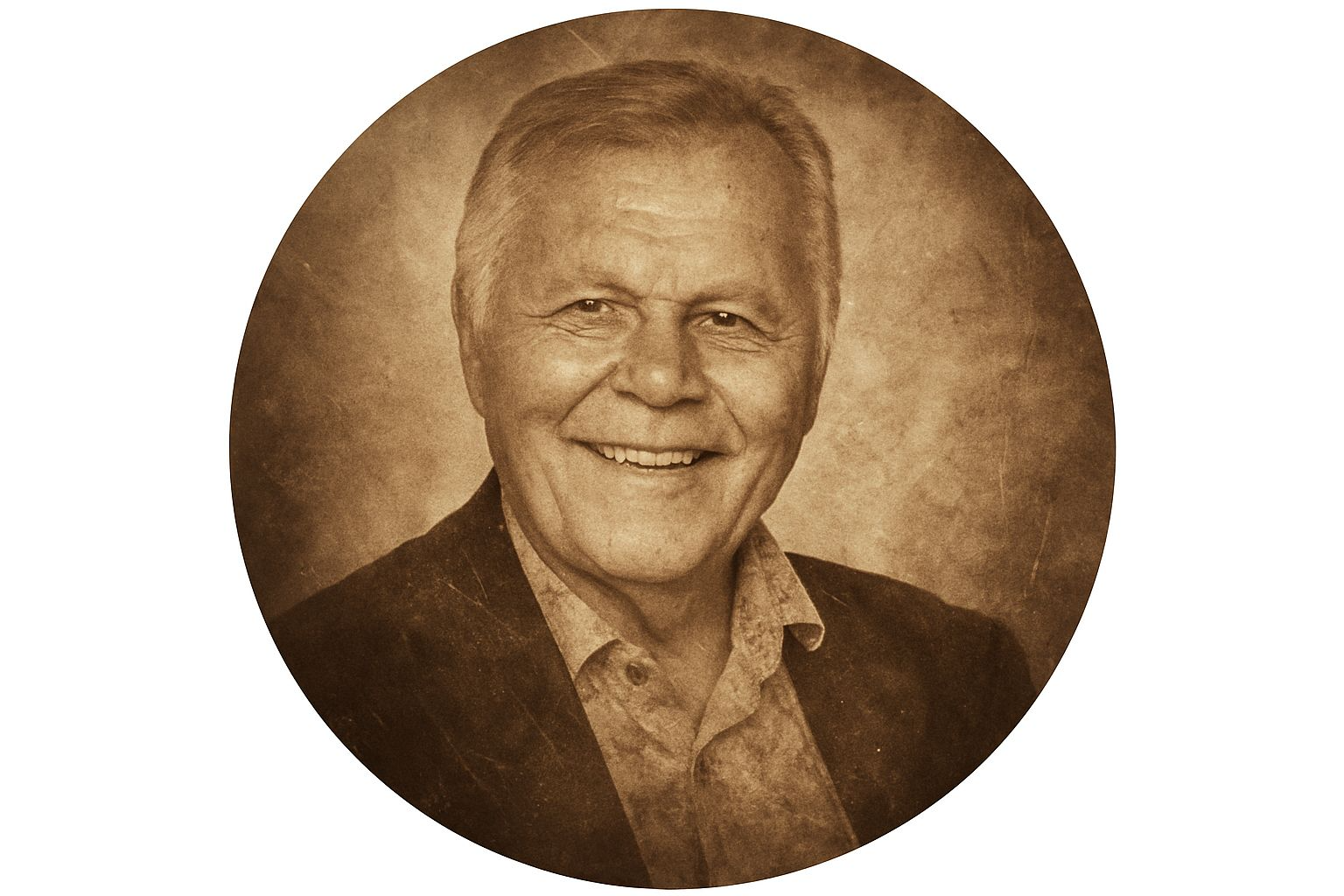
A new idea in the world of hypnosis comes from me (Marian). In 2024, I developed the 8 Hypnotic Principles. These principles understand hypnosis not as a special state, but as an everyday communication phenomenon. They show how we are constantly hypnotically effective – and how we can consciously harness this effectiveness:
1. Attention:
Where attention goes, energy flows. By deliberately directing attention, trance states are created.
2. Sensory Activation:
The more senses are engaged, the deeper the effect. Images, sounds, and feelings amplify every message.
3. Repetition:
"Repetition works hypnotically because it reaches the unconscious." What we repeat becomes inner truth. Think of advertising – why does it work? Through constant repetition!
4. Cooperation:
"We are social beings. We can't help but attune to others." This principle leverages our natural tendency to synchronize.
5. Association Principle:
Depending on our "self-state," we are suggestible to certain things, or not.
6. Context:
The frame determines the meaning. Change the expectation of hypnosis, and you change the entire experience.
7. Utilization Principle:
Use what is there. Every resistance, every quirk, becomes a resource.
8. Principle of Smooth Transition:
Change does not occur abruptly, but in flowing transitions. This makes it more sustainable, natural, and hypnotic.
These principles show: Hypnosis is not a mystical art, but a learnable communication skill. It happens everywhere – in every conversation, presentation, and interpersonal encounter. You can learn more about the Hypnotic Principles in this issue, in the series "The L in NLP."
What Does This Mean for Modern Hypnotherapy?
The journey through the history of hypnosis shows a fascinating evolution: from mystical rituals to scientific research, to integration into everyday communication. The modern definition understands hypnosis as the art of focusing attention – a natural state that we all know and can use.
The 8 principles provide you with a practical toolbox. Use them to refine your communication, enhance your effectiveness, and create positive change.
As Erickson put it:
Life brings you pain. You can turn it into suffering or wisdom. The choice is yours.
Reflection question for you: Where in your everyday life do you already unconsciously use hypnotic principles? And how could you use them more consciously to achieve your goals?


Marian Zefferer is an Austrian psychologist and NLP master trainer who specializes in self-influence and personal development, sharing his knowledge through seminars, podcasts, and online courses.